
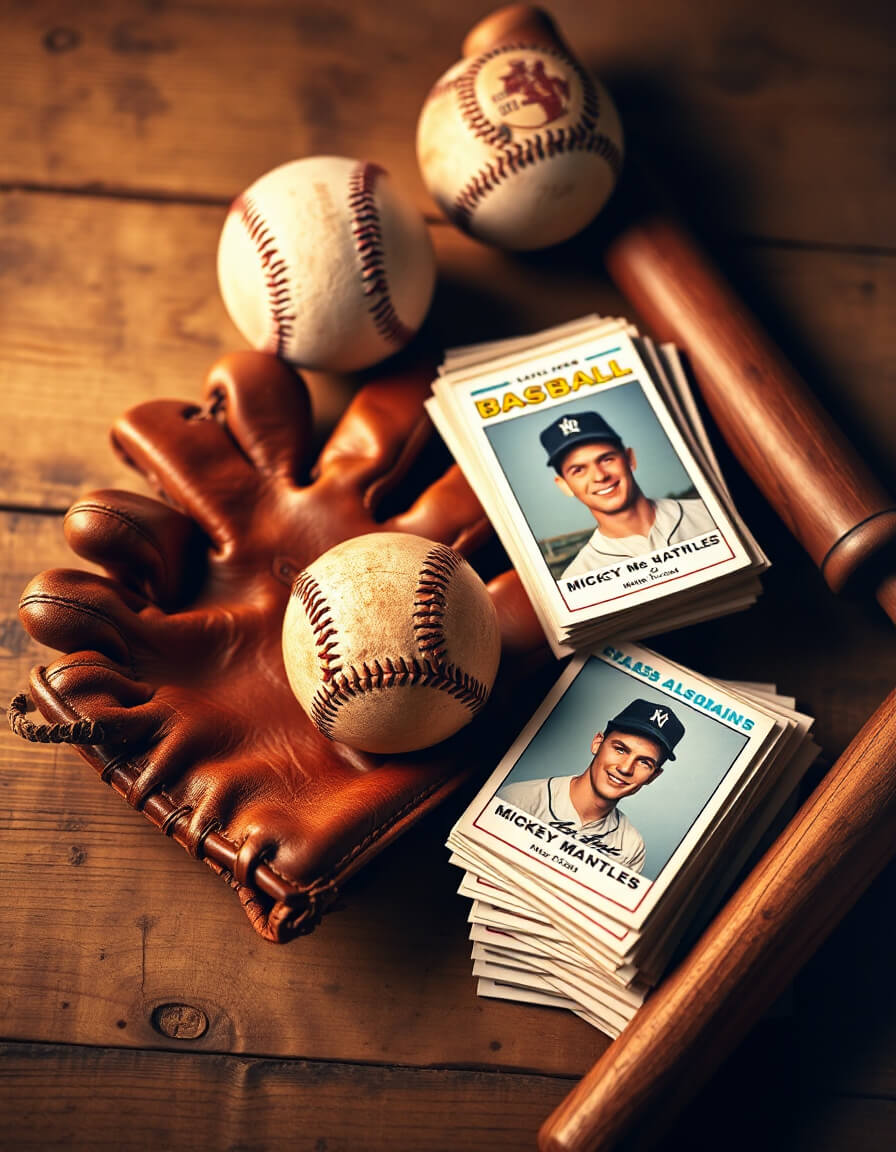
There’s a certain magic to holding a piece of history in your hands. A vintage baseball card isn’t just cardboard and ink; it’s a time capsule, a connection to the legends of the diamond and the golden eras of America’s pastime. If you’re looking to start collecting vintage baseball cards, you’re embarking on a rewarding journey filled with history, strategy, and community.
But where do you even begin? The world of vintage cards can seem intimidating. This guide is here to be your friendly coach, breaking down everything you need to know into seven simple steps.
What Exactly Are “Vintage” Baseball Cards?
First, let’s define our playing field. While there’s no single official definition, most collectors agree that “vintage” typically refers to cards produced before 1980. This period is often broken down into key eras:
- Pre-War Era (early 1900s – 1945): Includes iconic but rare sets like the T206.
- Post-War “Golden Era” (1948 – 1969): The birth of modern-style cards from brands like Bowman and Topps.
- The 1970s: A distinct era with unique designs leading up to the “junk wax” boom of the 80s.
Your 7-Step Guide to Collecting Vintage Baseball Cards
Ready to dive in? Follow these fundamental steps to build a collection you’ll be proud of.
1. Define Your Collecting Goal
You can’t collect everything, so start with a focus. A clear goal makes the hobby more enjoyable and your collection more cohesive. Consider:
- Collecting a Player: Focus on one specific Hall of Famer, like Roberto Clemente or Hank Aaron.
- Collecting a Team: Build a collection around your favorite team, like the Brooklyn Dodgers or New York Yankees.
- Completing a Set: Aim to complete a specific set, such as the beautiful 1956 Topps set. This is challenging but incredibly rewarding.
- Collecting an Era: Focus on cards from a specific decade that fascinates you.
2. Research Is Your Most Valuable Player (MVP)
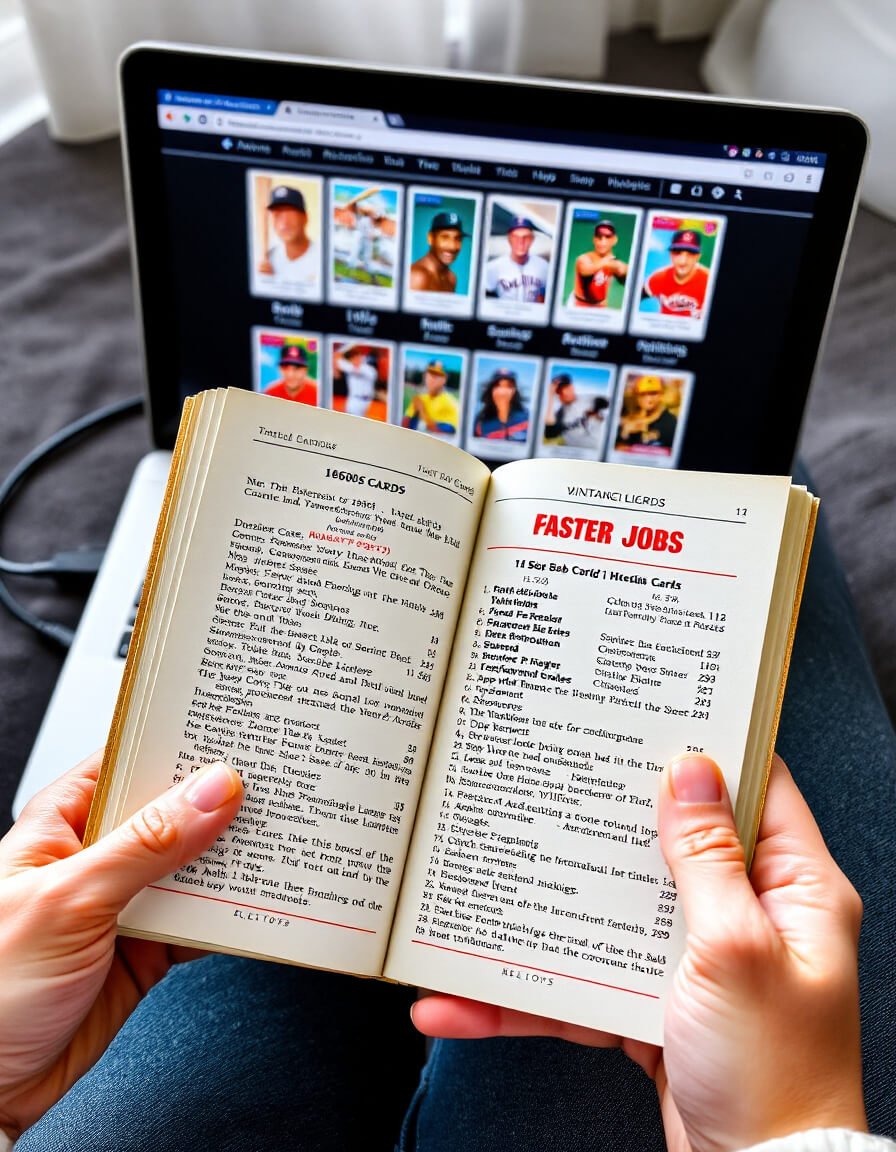
Before you spend a single rupee, invest your time in research. Understanding the landscape is crucial for collecting vintage baseball cards. Learn about the key sets, iconic rookie cards (like the ’52 Topps Mickey Mantle or ’55 Topps Sandy Koufax), and common variations or errors. An excellent external resource for this is the PSA CardFacts website.
3. Understand Card Condition and Grading
Condition is everything in the vintage market. A small crease or a soft corner can change a card’s value dramatically. Familiarize yourself with the basic grading scale:
- Mint (MT): A virtually perfect card.
- Near Mint (NM): A card with only a few minor flaws.
- Excellent (EX): Shows more noticeable wear, like slightly rounded corners.
- Very Good (VG): A well-loved card with more obvious wear.
For valuable cards, professional grading by companies like PSA, SGC, or Beckett is the industry standard. They authenticate the card and assign it a numerical grade, protecting both buyers and sellers.
4. Set a Realistic Budget
This hobby can get expensive quickly. Decide how much you’re willing to spend monthly or quarterly and stick to it. You don’t need a Honus Wagner T206 to have a fantastic collection. Start with lower-grade cards of Hall of Famers or build a set of more affordable cards from the 1970s. The thrill of the hunt is present at every budget level.
5. Know Where to Buy Your Cards
Once you’re ready to buy, it’s essential to purchase from reputable sources to avoid fakes or overpaying.
- Local Card Stores: A great way to see cards in person and build relationships.
- Online Marketplaces: eBay is the largest, but always check a seller’s feedback and return policy.
- Auction Houses: For high-end, premium cards (e.g., Heritage Auctions, Goldin).
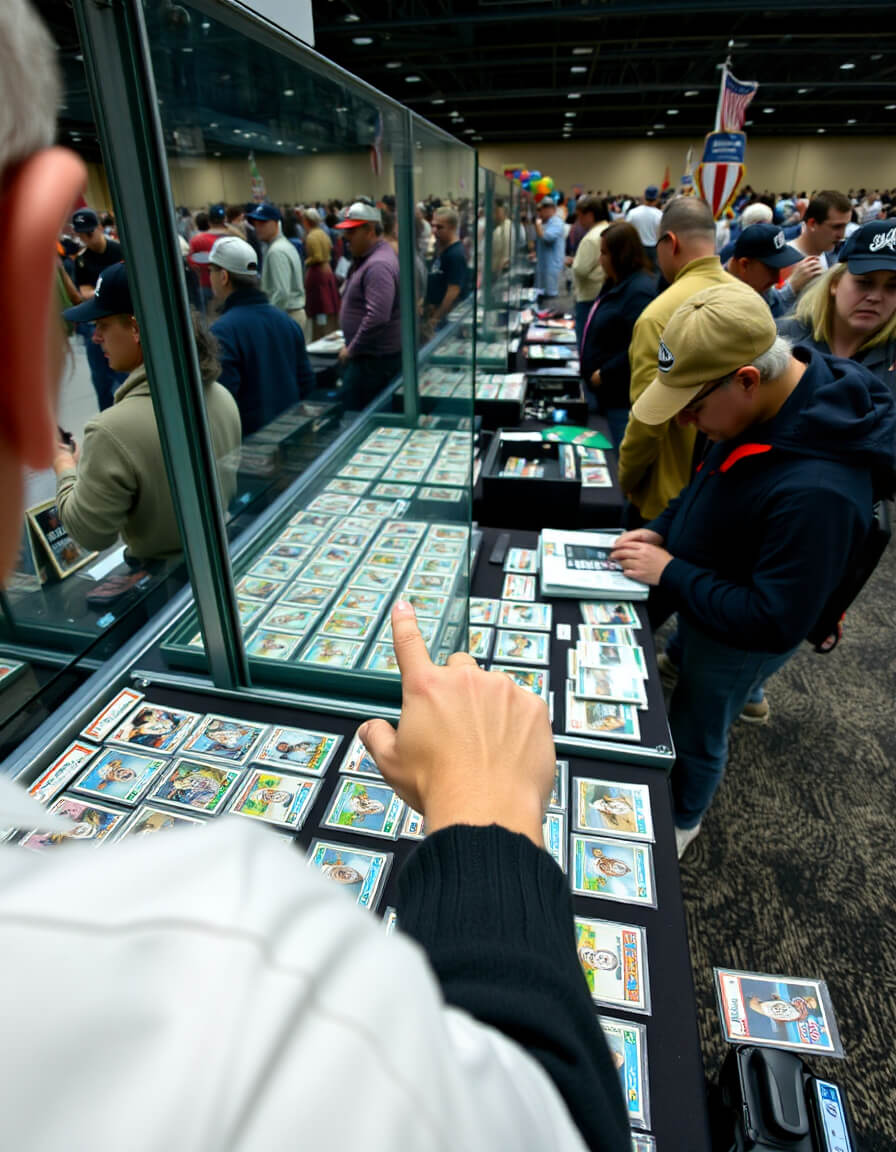
- Card Shows: The best place to see a massive inventory and talk with dealers and collectors.
6. Protect Your Investment with Proper Storage
Your cards survived 50+ years before they got to you; make sure they survive another 50. Sunlight, humidity, and physical damage are the enemies of cardboard.
- Penny Sleeves: The first line of defense for every card.
- Toploaders: Rigid plastic holders for individual cards.
- Graded Card Sleeves: Protects the plastic slab itself from scratches.
- Storage Boxes: Store your cards upright in designated cardboard boxes, away from direct sunlight in a cool, dry place.
. Connect with the Community
Collecting vintage baseball cards is more fun with others. Join online forums like Net54, follow collectors on Instagram or X (formerly Twitter), and visit local card shows. The knowledge and friendships you gain from the community are invaluable.
Conclusion: It’s Your Story to Collect
Starting a vintage baseball card collection is about more than just financial investment; it’s an investment in history and nostalgia. By setting a clear goal, doing your research, and buying smart, you can build a collection that tells a story—your story. So pick a player, find a set, and start your journey back in time. Happy collecting!
