
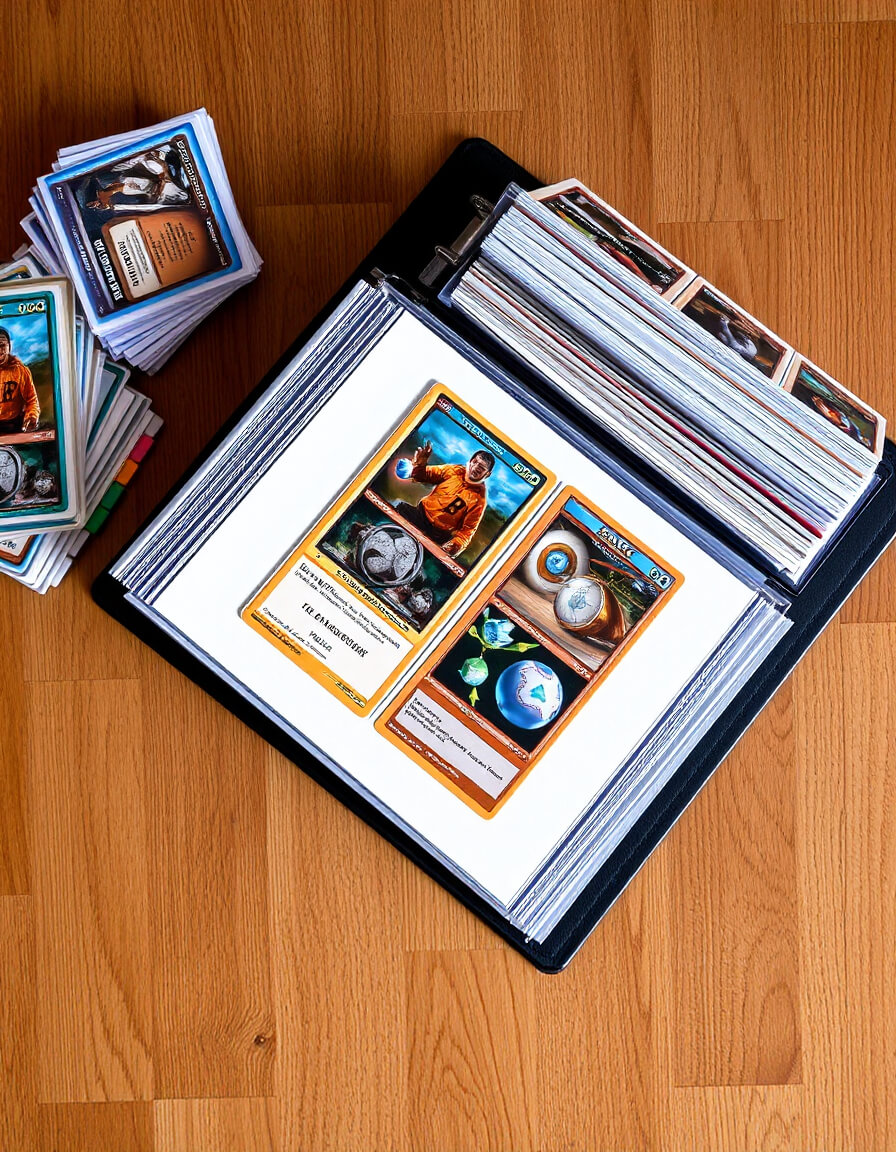
Walking into a trade night or your local card store with a stack of loose cards in a box is a rookie mistake. A well-organized binder, on the other hand, shows you’re a serious collector. It protects your cards, streamlines your trades, and makes you look like a pro. Learning how to build a trade binder is one of the most essential skills in the trading card hobby.
But a great trade binder is more than just a collection of your unwanted cards. It’s a curated tool designed for one purpose: to help you make awesome trades.
So, how do you go from a chaotic pile to a perfectly organized trading machine? This guide will walk you through the eight essential steps.
First, Why Do You Need a Dedicated Trade Binder?
Before we get into the “how,” let’s cover the “why.” A dedicated trade binder:
- Protects Your Assets: It keeps your valuable trade bait safe from corner dings, scratches, and spills.
- Maximizes Efficiency: No more fumbling through stacks. You and your trade partners can quickly see what’s available.
- Establishes Credibility: It signals to other collectors that you’re organized, serious, and respectful of the hobby.
The 8 Steps to Building the Perfect Trade Binder
Ready to create a binder that gets you the cards you want? Let’s begin.
1. Choose the Right Gear: Binder and Pages
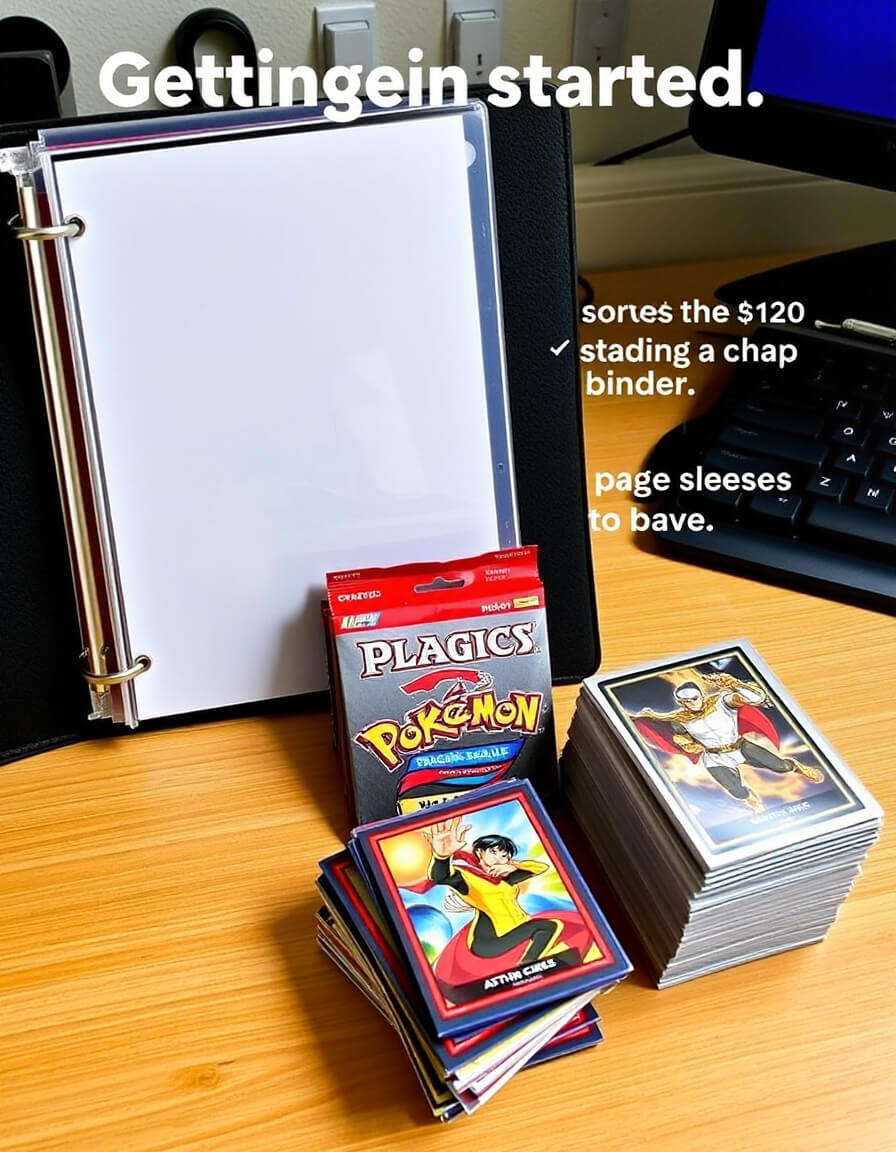
The foundation of your trade binder is the binder itself. Opt for a D-ring binder over an O-ring. D-rings allow pages to lie flat, preventing potential bending or damage to the cards near the spine. For pages, always choose side-loading, acid-free sheets. They prevent cards from accidentally slipping out the top and offer better long-term protection.
2. Curate Your “Trade Bait”
Not every card you own belongs in your trade binder. This is for your “trade bait”—cards you are actively willing to part with. Good candidates include:
- Valuable duplicates of cards you already have.
- Popular, in-demand cards from recent sets (staples).
- Holographic, alternate-art, or special-edition cards.
- Cards for a game or sport you no longer actively collect.
3. Sleeve Every Single Card
This is a non-negotiable rule. An unsleeved card is a damaged card waiting to happen. Putting every card in a quality “penny sleeve” or a premium coloured sleeve before it enters the binder shows respect for your cards and for your future trade partners.
4. Develop a Clear Organization System
This is the most critical step in learning how to build a trade binder. A chaotic binder is useless. Choose a system and stick with it. Some popular methods include:
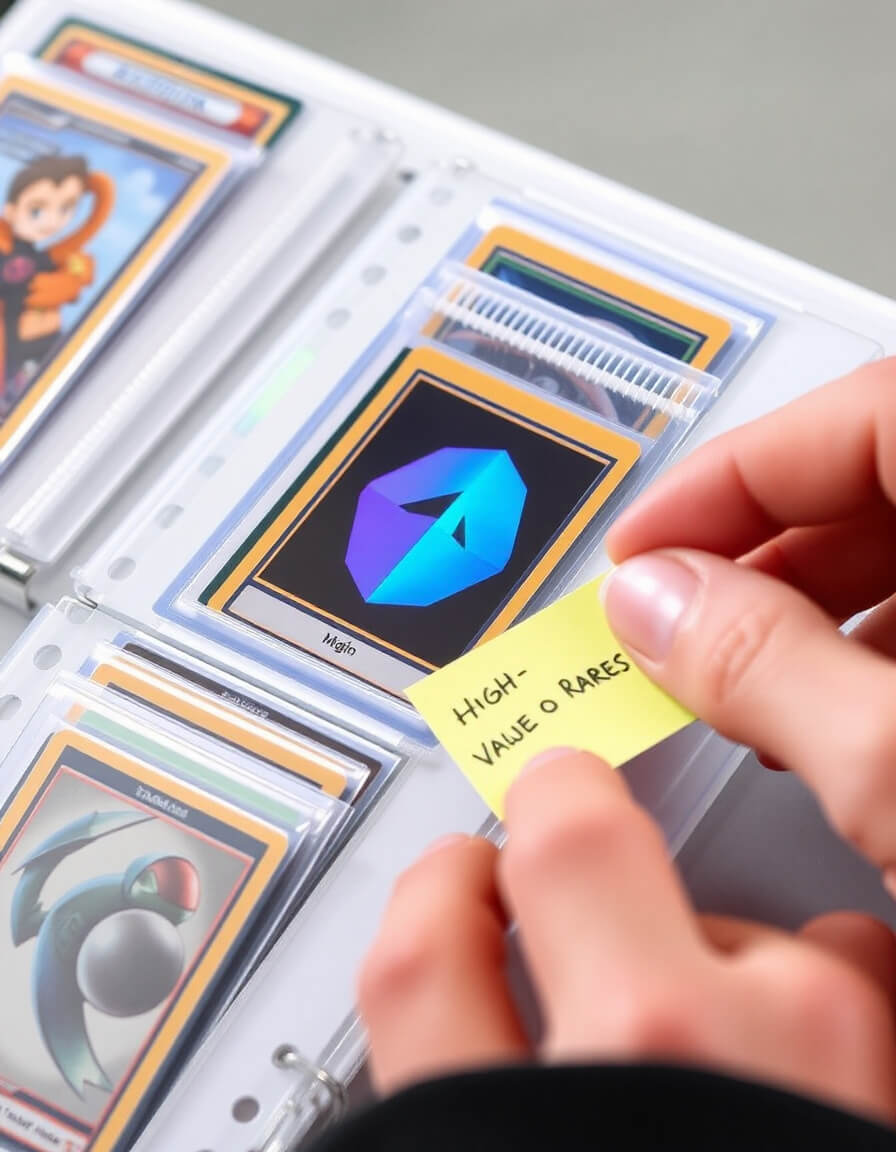
- By Value: High-value cards in the front, followed by mid-tier and then bulk rares. This is the most common method.
- By Set: Organize cards chronologically by their expansion set.
- By Colour/Type: For TCGs like Magic: The Gathering, organizing by colour is very effective. For sports, you could organize by team.
- Alphabetical: Simple and effective, especially for player-focused collections.
5. Create a “Front Page Showcase”
The first one or two pages of your binder are prime real estate. This is where you put your most valuable, sought-after, and exciting cards. A killer front page is an instant conversation starter and immediately lets potential trade partners know you have high-quality cards available.
6. Use Tabs and Dividers
For larger binders, use sticky tabs or full-page dividers to label your different sections (e.g., “Sports,” “Pokémon,” “High-Value,” “Under ₹500”). This makes navigating your binder a breeze for you and others.
7. Keep Your Binder Fresh and Updated
A trade binder is a living document. After a successful trade night, take a few minutes to remove the cards you traded away. When you open new packs, add your new trade bait to the appropriate sections. An updated binder is an effective binder.
8. Know Your Values (and Your Goals)
Before you even open your binder for a trade, have a goal in mind. What cards are you looking for? What are you trying to accomplish? Use a reliable online resource like TCGPlayer (for TCGs) or PriceCharting (for sports) to check card values on your phone. Knowing the market value of your cards and theirs is essential for a fair and successful trade.
Conclusion: Your Binder is Your Best Tool
Learning how to build a trade binder is a rite of passage for every collector. It transforms your collection from a passive hobby into an active pursuit. Your binder is your resume, your storefront, and your greatest tool for engaging with the community and building the collection of your dreams.
Now go organize your cards, and happy trading!
